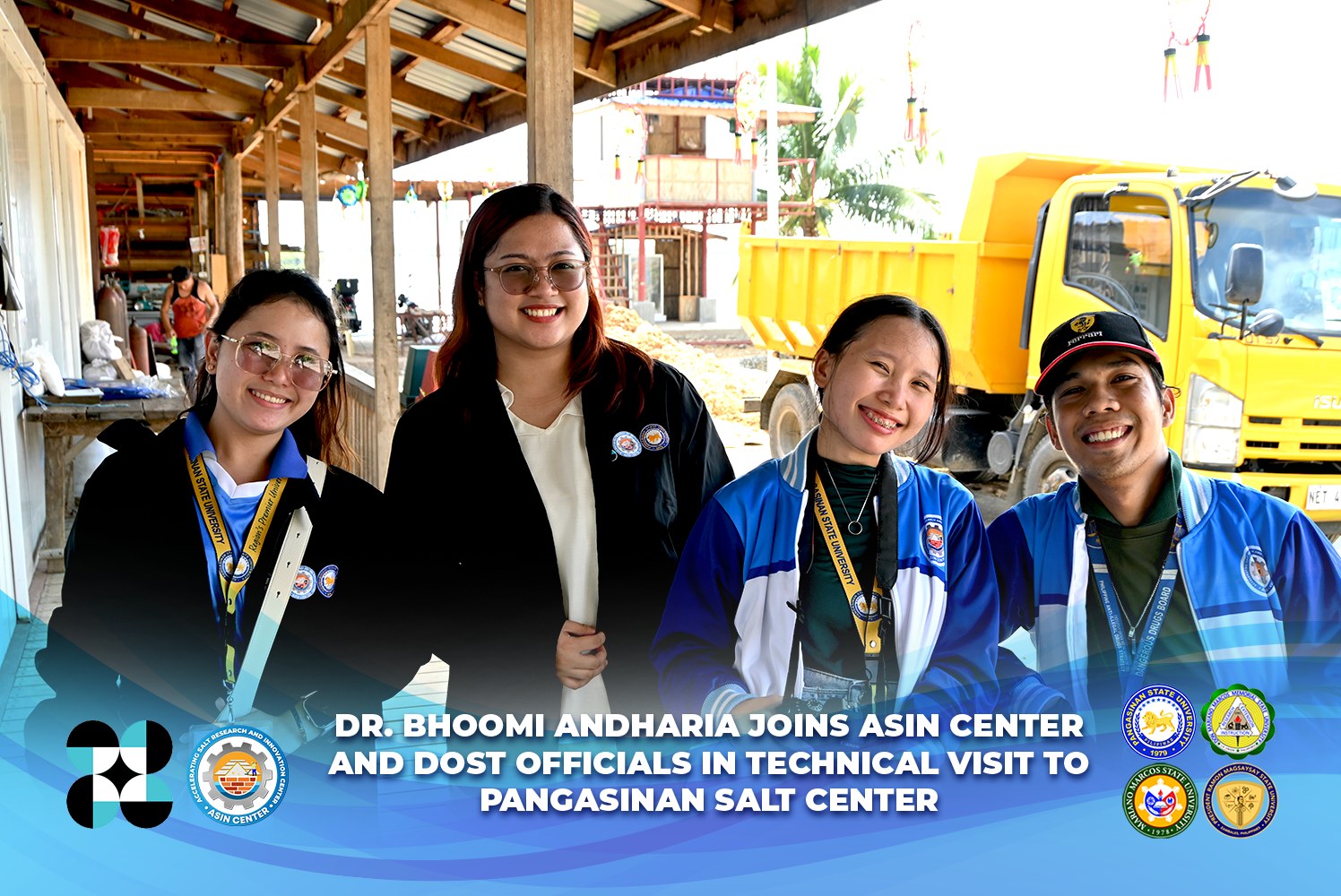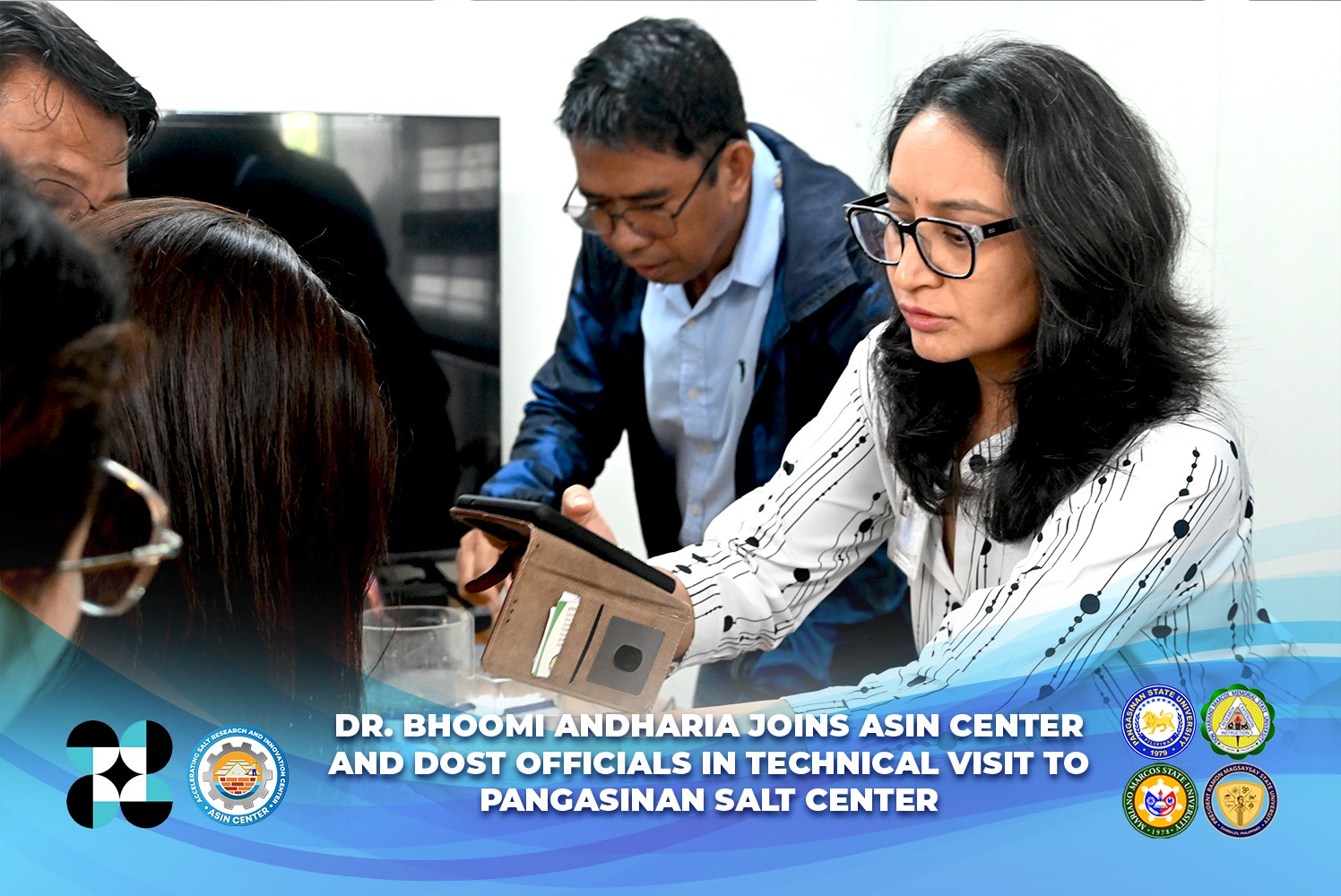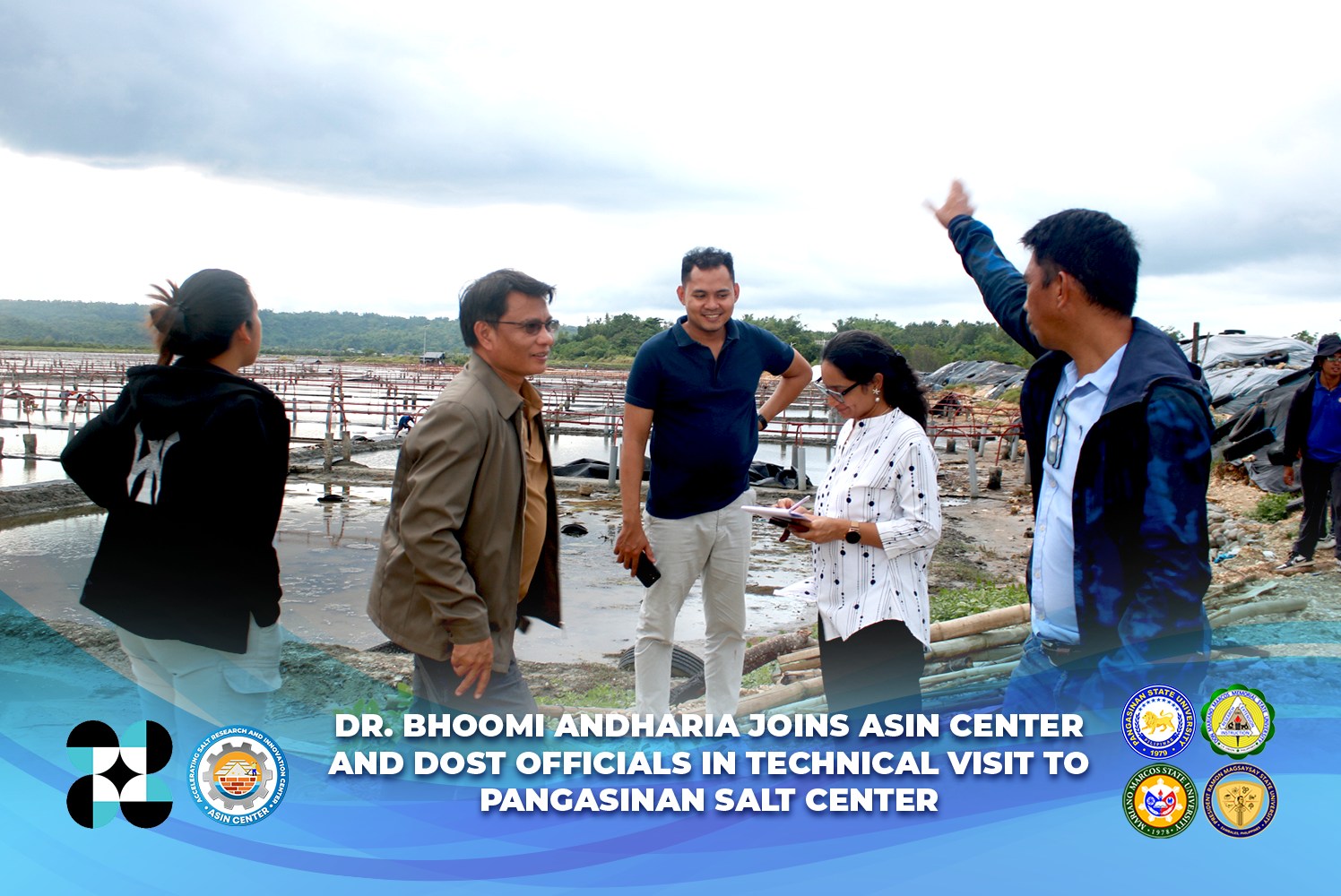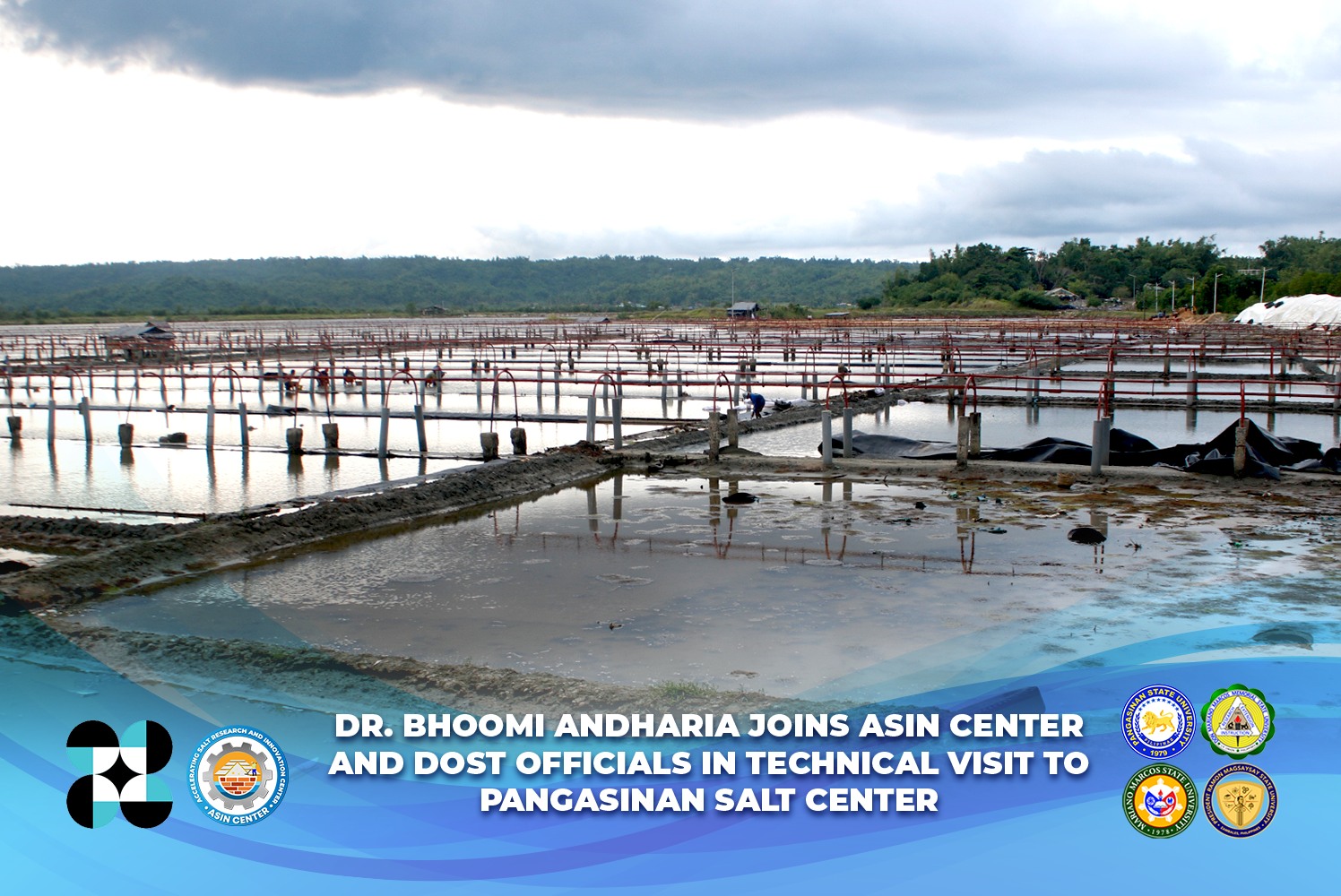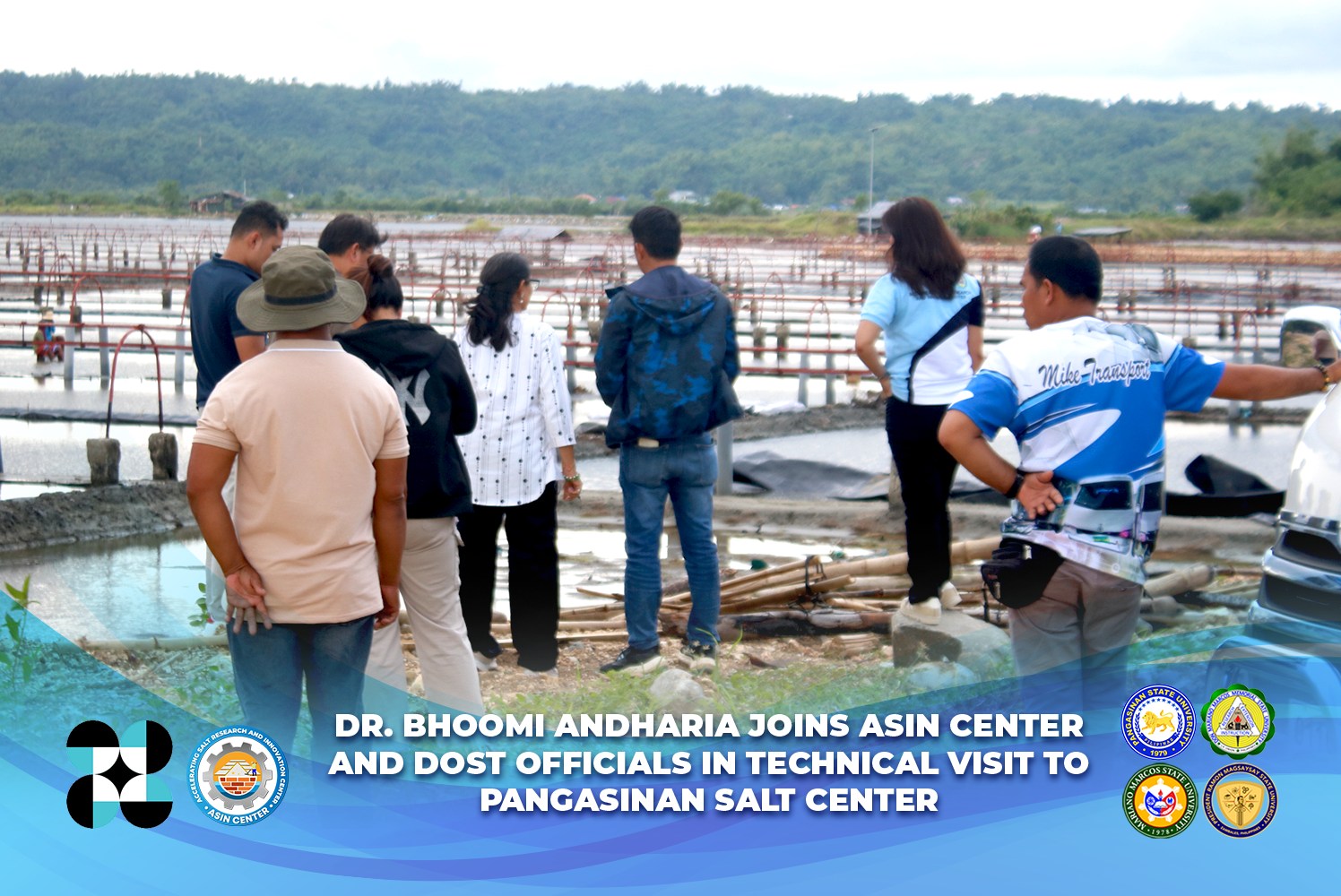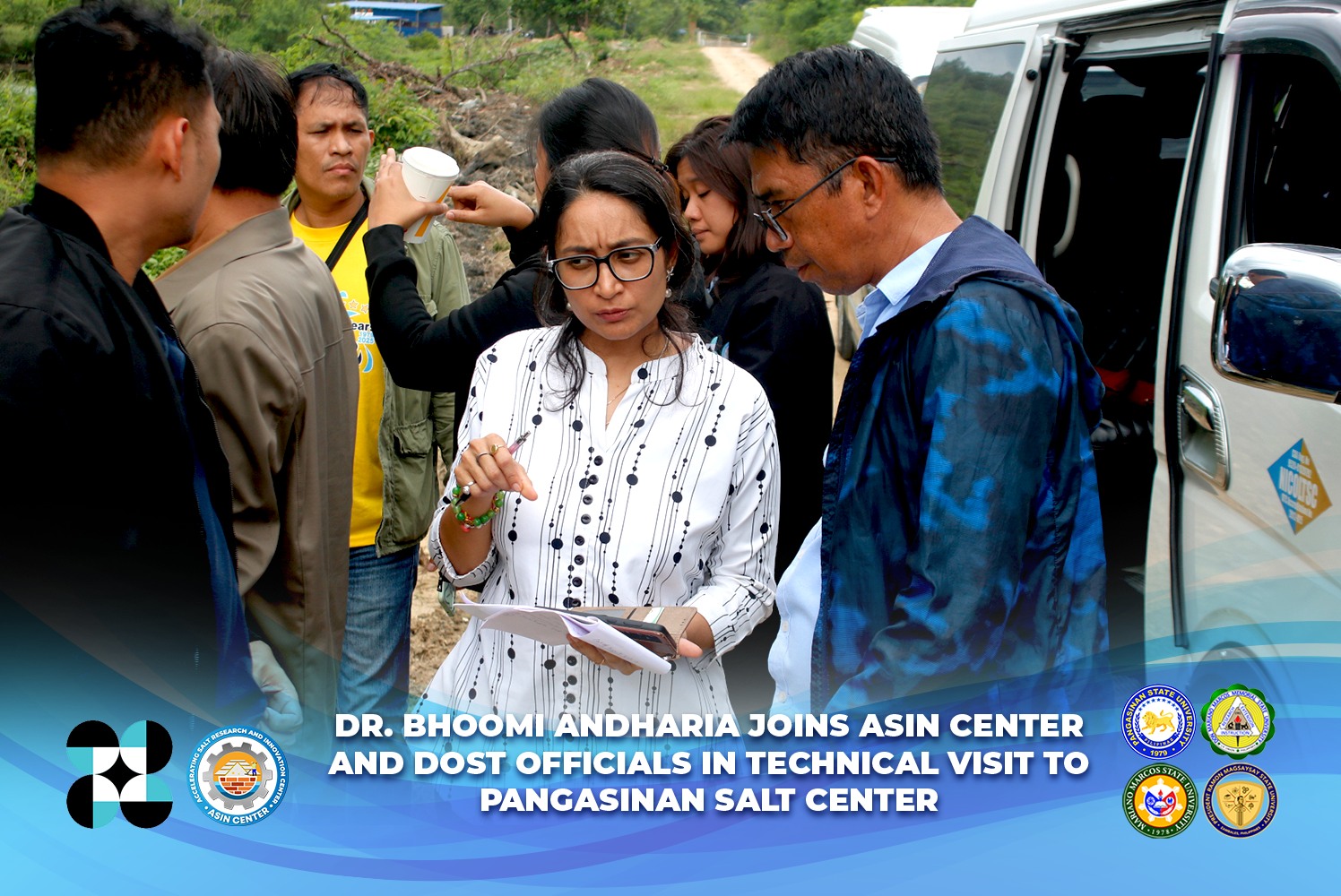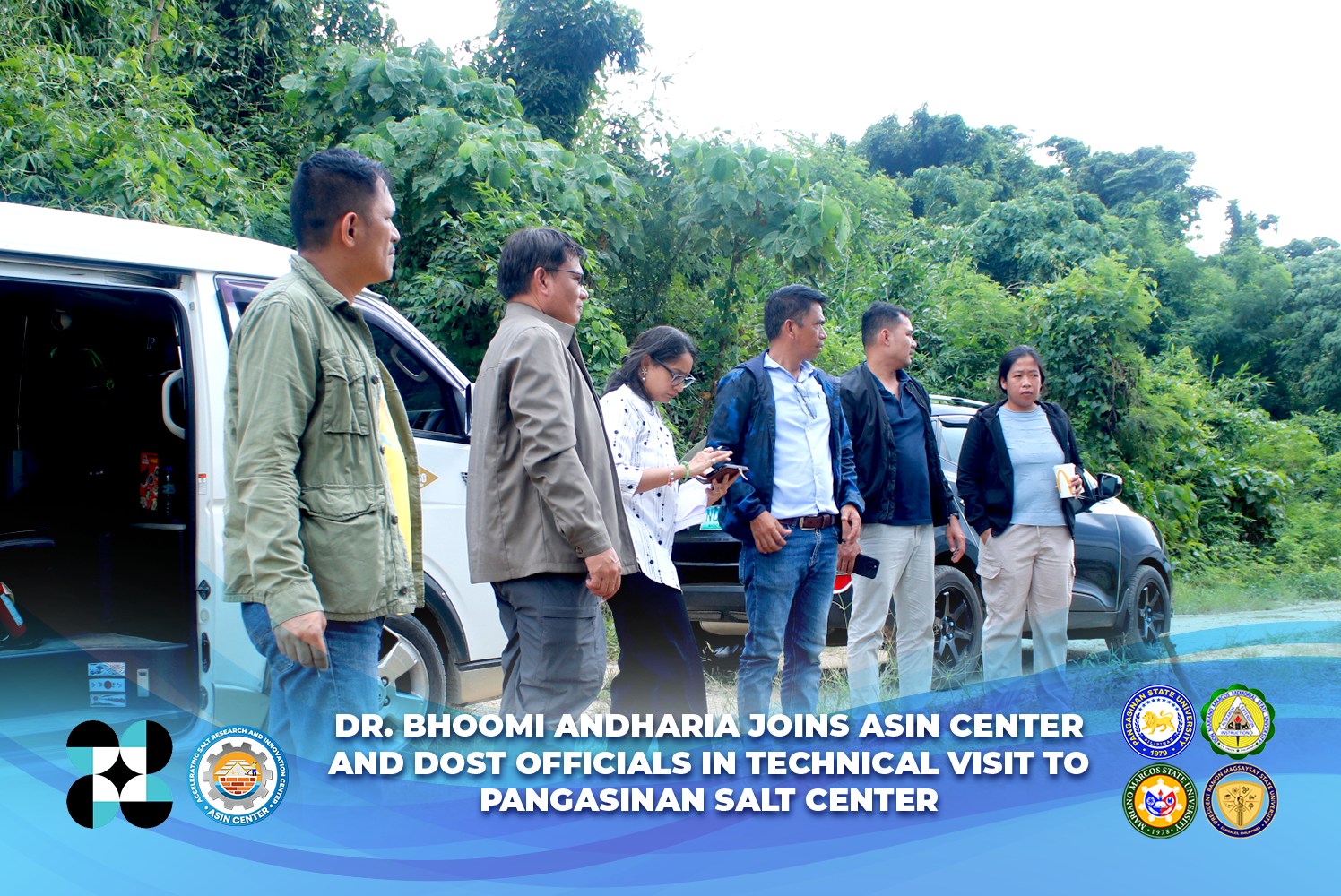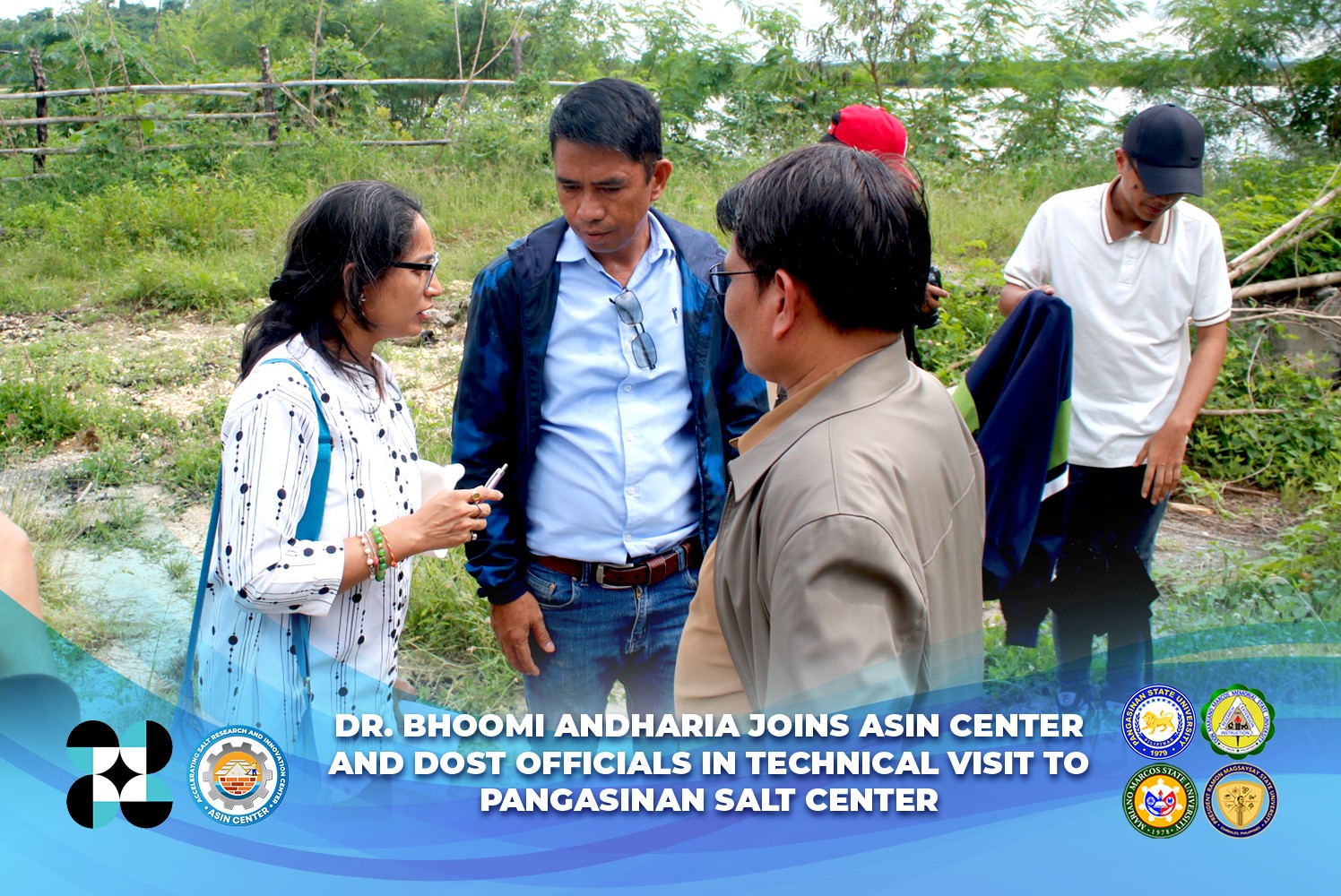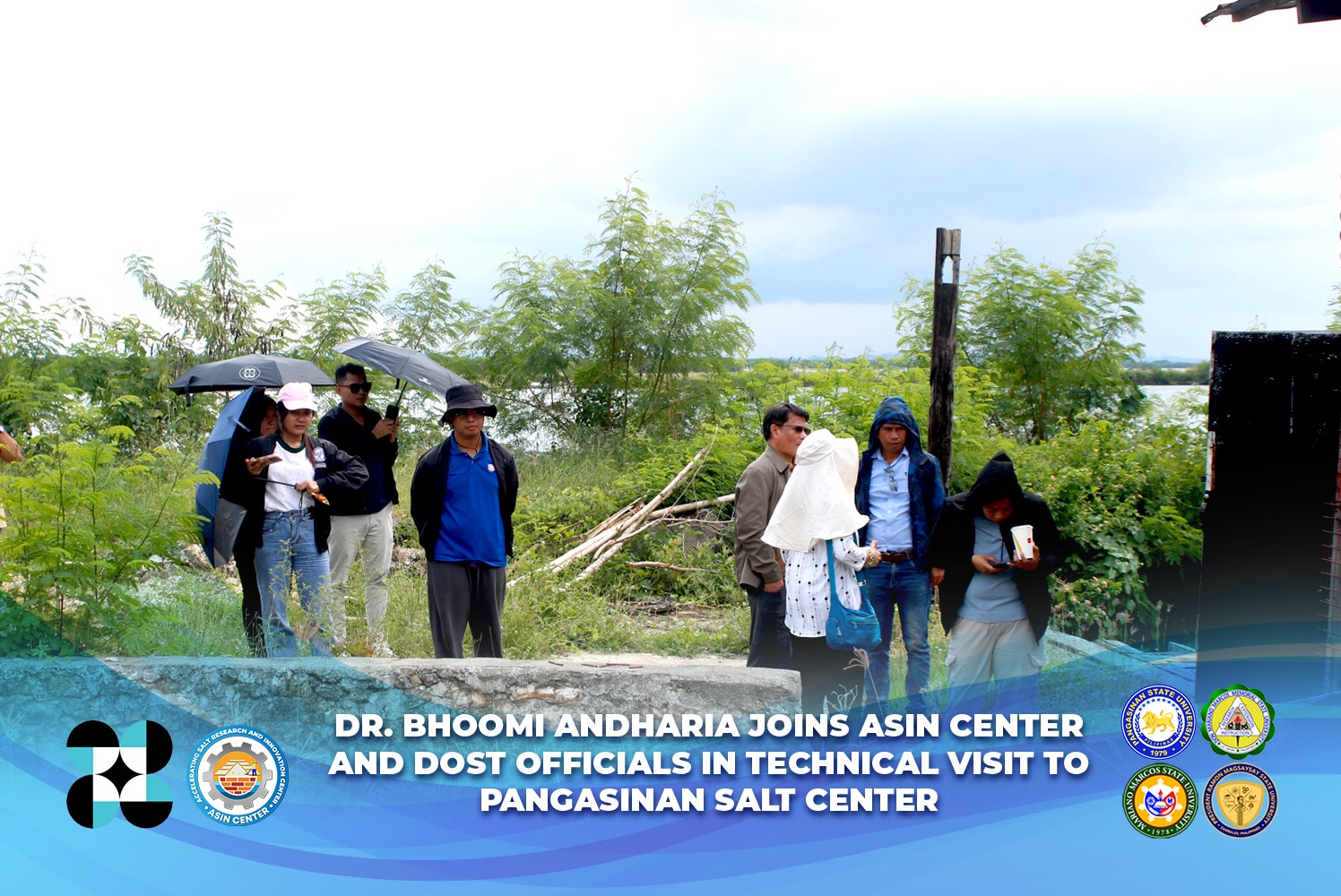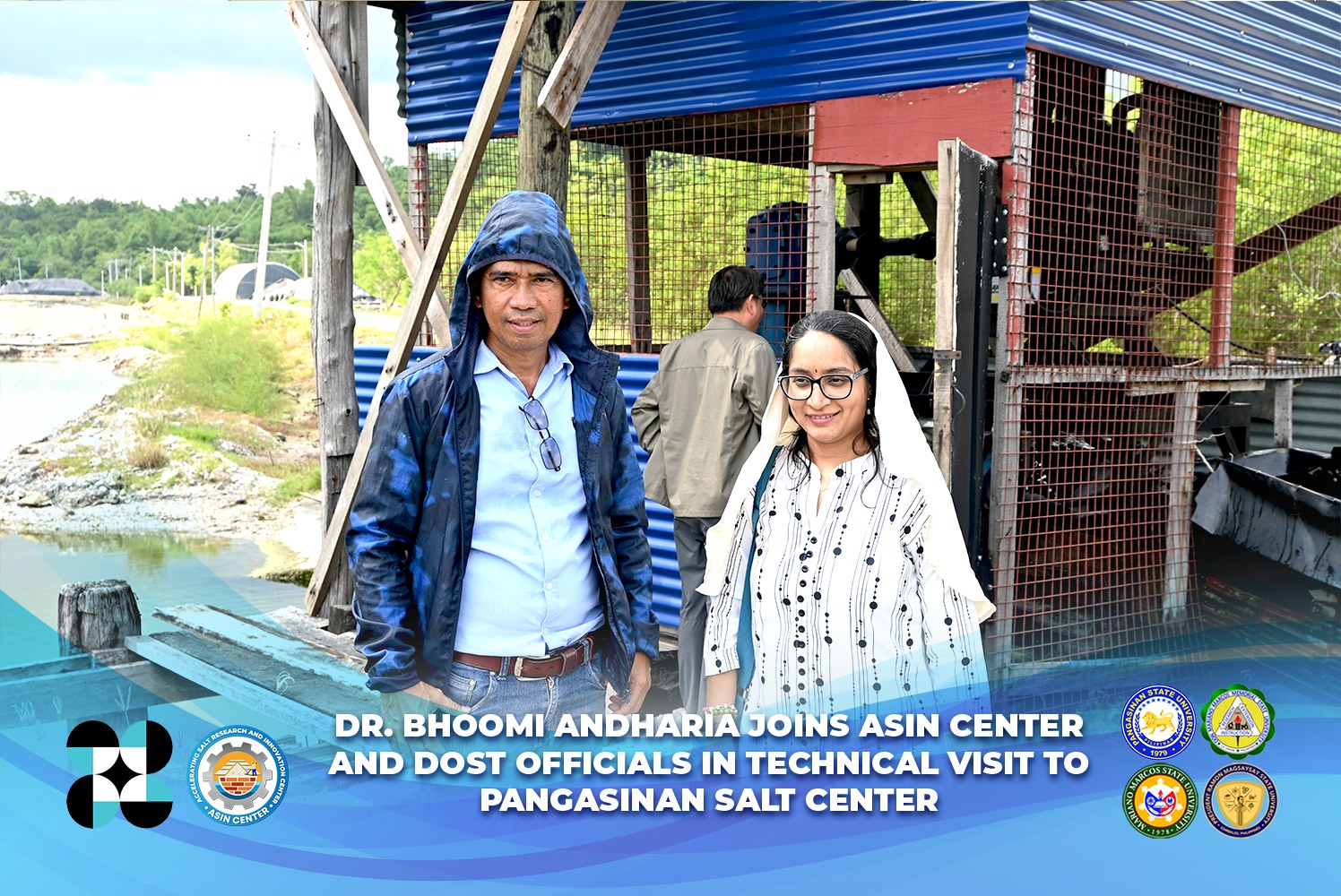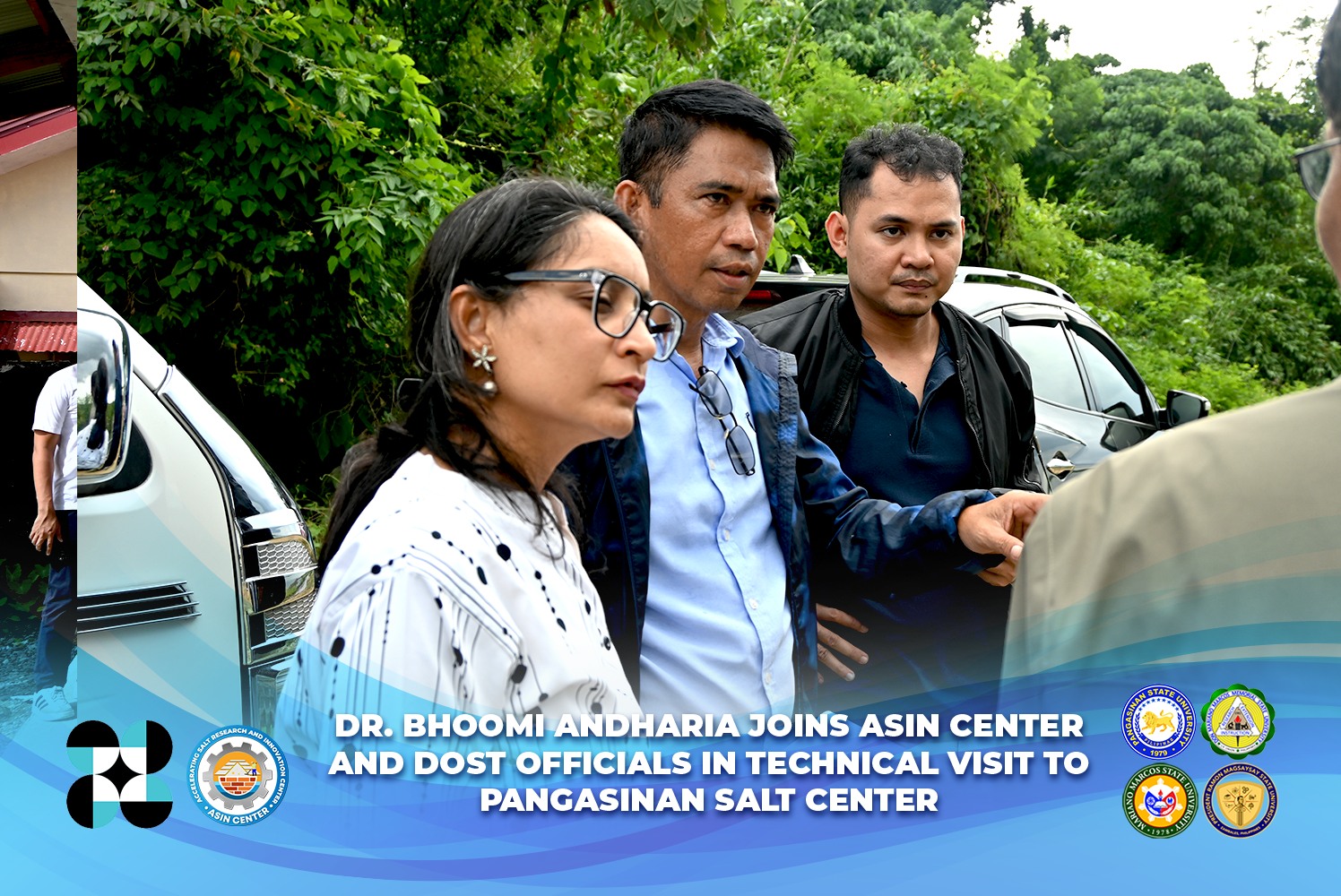
BOLINAO, Pangasinan — As part of the 𝗗𝗲𝗽𝗮𝗿𝘁𝗺𝗲𝗻𝘁 𝗼𝗳 𝗦𝗰𝗶𝗲𝗻𝗰𝗲 𝗮𝗻𝗱 𝗧𝗲𝗰𝗵𝗻𝗼𝗹𝗼𝗴𝘆 𝗥𝗲𝗴𝗶𝗼𝗻 𝗜’𝘀 (𝗗𝗢𝗦𝗧 𝗥𝟭) 𝗶𝗻𝗶𝘁𝗶𝗮𝘁𝗶𝘃𝗲 to strengthen research collaboration and technology transfer in local salt production, the 𝘼𝙘𝙘𝙚𝙡𝙚𝙧𝙖𝙩𝙞𝙣𝙜 𝙎𝙖𝙡𝙩 𝙍𝙚𝙨𝙚𝙖𝙧𝙘𝙝 𝙖𝙣𝙙 𝙄𝙣𝙣𝙤𝙫𝙖𝙩𝙞𝙤𝙣 (𝘼𝙎𝙄𝙉) 𝘾𝙚𝙣𝙩𝙚𝙧 facilitated a technical learning visit to the Pangasinan Salt Center in Sitio Gagaban, Zaragoza, Bolinao, Pangasinan, on October 30, 2025.
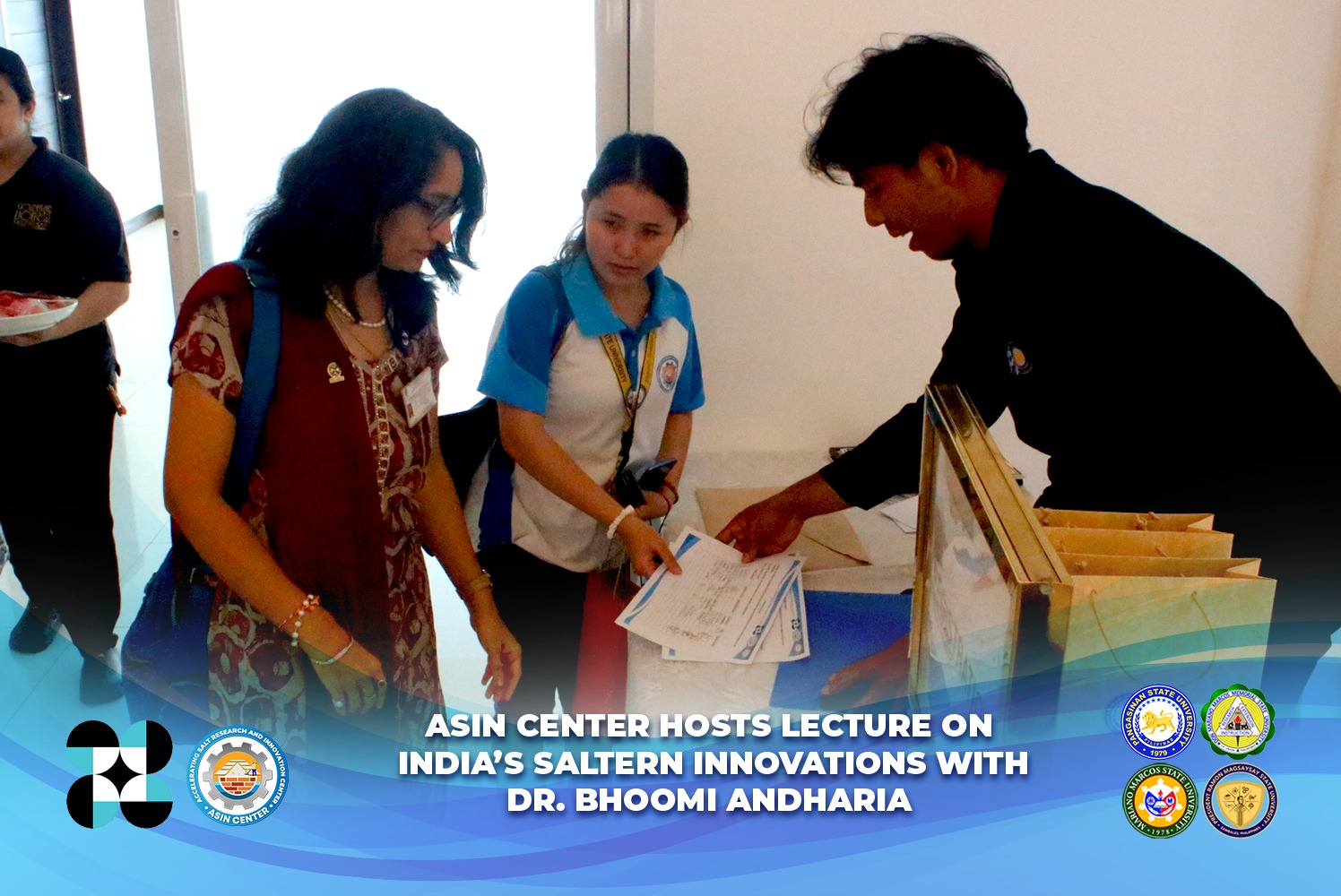
The activity was conducted to strengthen the salt production initiatives under the 𝗗𝗢𝗦𝗧 𝗡𝗶𝗰𝗵𝗲 𝗖𝗲𝗻𝘁𝗲𝗿𝘀 𝗶𝗻 𝘁𝗵𝗲 𝗥𝗲𝗴𝗶𝗼𝗻𝘀 𝗳𝗼𝗿 𝗥&𝗗 (𝗡𝗜𝗖𝗘𝗥) 𝗣𝗿𝗼𝗴𝗿𝗮𝗺, which supports the establishment of the ASIN Center as a pioneering research and development hub for the salt industry in Region I. It also formed part of the continuing engagement of 𝗗𝗿. 𝗕𝗵𝗼𝗼𝗺𝗶 𝗥. 𝗔𝗻𝗱𝗵𝗮𝗿𝗶𝗮, 𝗣𝗿𝗶𝗻𝗰𝗶𝗽𝗮𝗹 𝗦𝗰𝗶𝗲𝗻𝘁𝗶𝘀𝘁 𝗮𝘁 𝗜𝗻𝗱𝗶𝗮’𝘀 𝗖𝗦𝗜𝗥–𝗖𝗲𝗻𝘁𝗿𝗮𝗹 𝗦𝗮𝗹𝘁 𝗮𝗻𝗱 𝗠𝗮𝗿𝗶𝗻𝗲 𝗖𝗵𝗲𝗺𝗶𝗰𝗮𝗹𝘀 𝗥𝗲𝘀𝗲𝗮𝗿𝗰𝗵 𝗜𝗻𝘀𝘁𝗶𝘁𝘂𝘁𝗲 (𝗖𝗦𝗜𝗥-𝗖𝗦𝗠𝗖𝗥𝗜), who is visiting Region I to share her expertise on sustainable salt technologies.
Joining Dr. Andharia were Project 1 Leader Dr. Nathaniel R. Alibuyog, Mariano Marcos State University (MMSU) project members, Pangasinan State University (PSU) Research Director Dr. Rhowel M. Dellosa, and Project 2 staff and members. The group was warmly welcomed by the center’s consultant, Mr. June Camero.
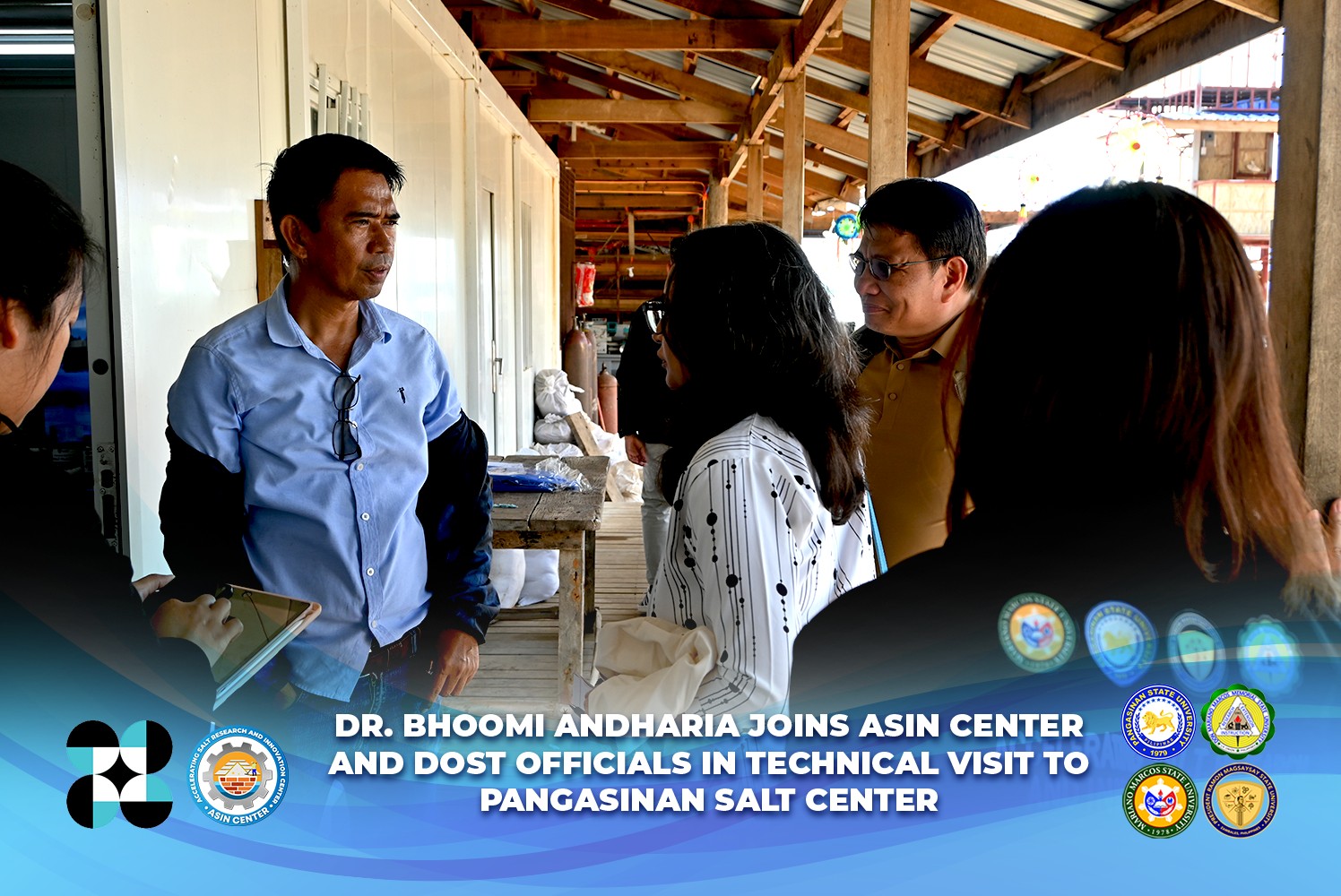
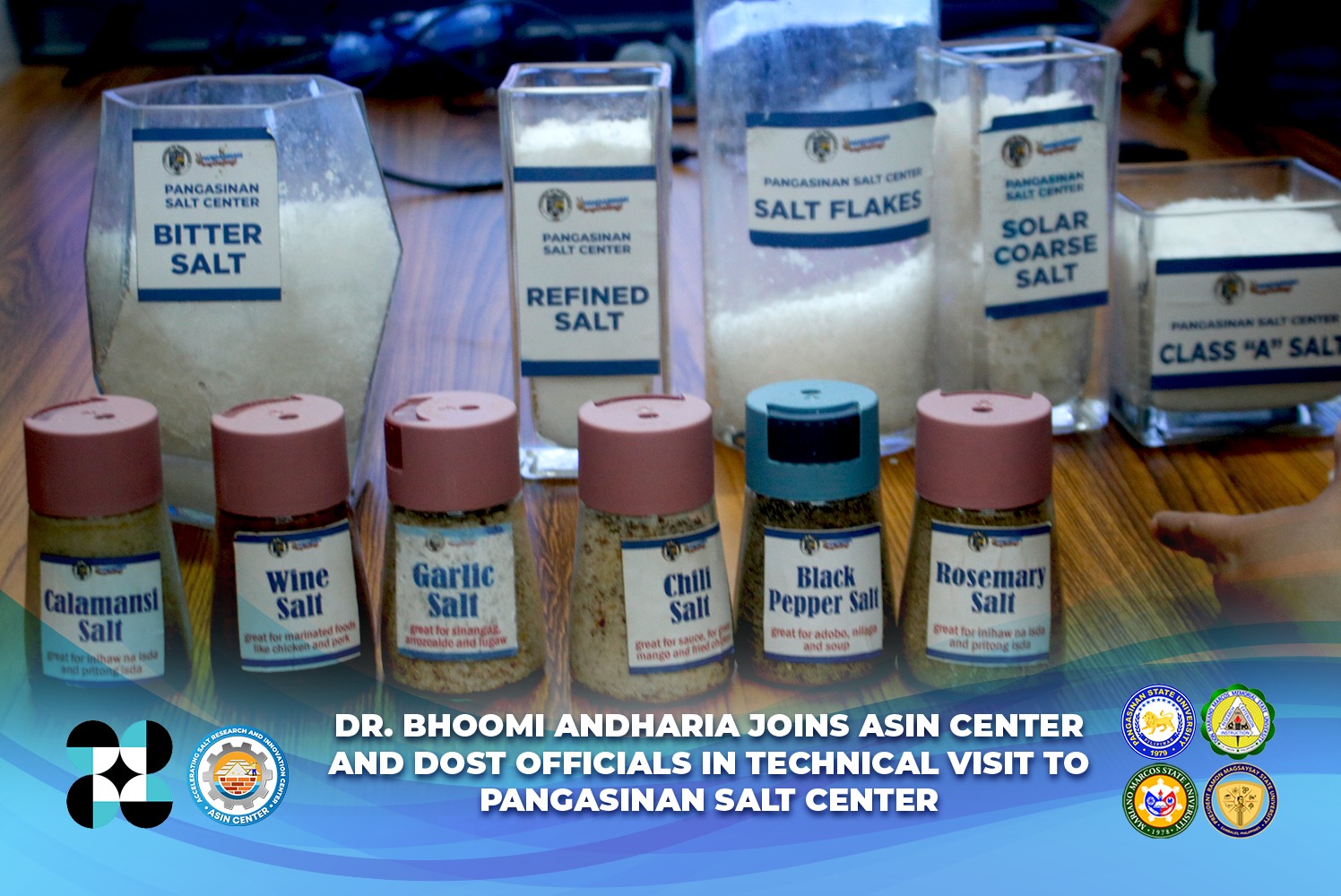
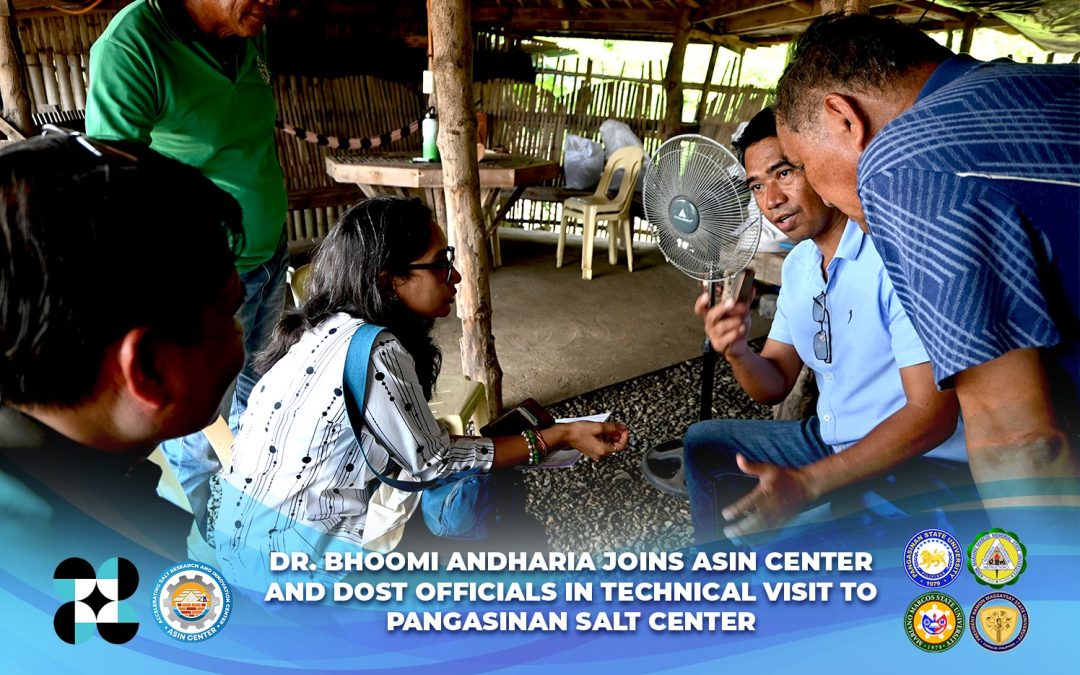
Prior to the formal discussion, Mr. Camero provided an overview of the various salt products developed at the facility, which include bitter salt, refined salt, salt flakes, solar coarse salt, and Class “A” salt, as well as gourmet variants infused with calamansi, wine, garlic, chili, black pepper, and rosemary. He elaborated on the distinct characteristics, production methods, and market applications of each product, which were further examined through the insights and observations shared by Dr. Andharia.
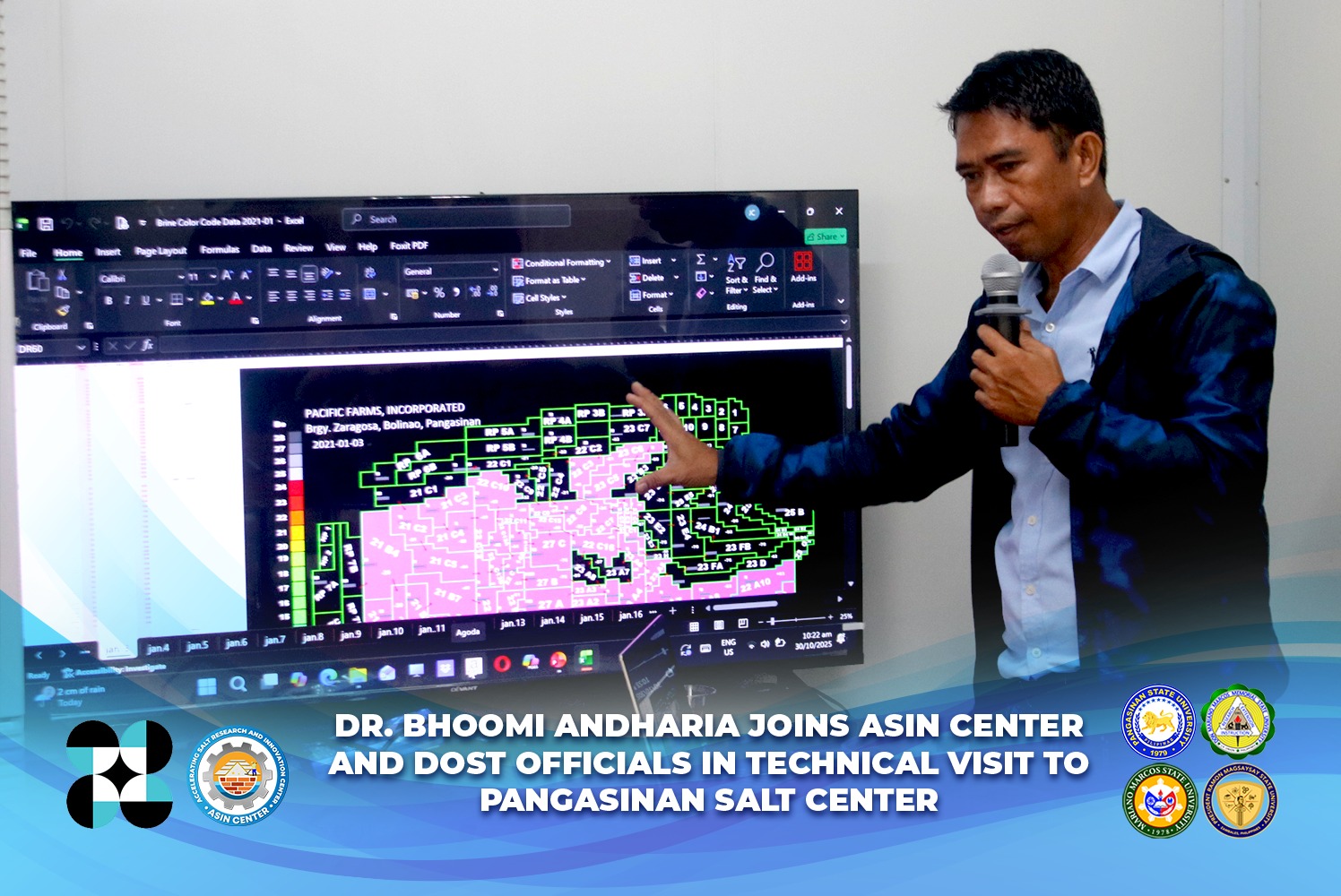
Mr. Camero also discussed the history, development, and technical processes of the Pangasinan Salt Center—from pond preparation and seawater evaporation to harvesting and packaging. He further explained the use of high-density polyethylene (HDPE) as a sustainable alternative to traditional clay brick linings in salt beds, ensuring consistent quality despite material constraints.
𝗣𝗦𝗨 𝗣𝗿𝗲𝘀𝗶𝗱𝗲𝗻𝘁 𝗗𝗿. 𝗘𝗹𝗯𝗲𝗿𝘁 𝗚𝗮𝗹𝗮𝘀 conveyed his appreciation to the DOST NICER Program and its partners for promoting meaningful international linkages and research cooperation. He underscored that the DOST NICER ASIN Center stands as a testament to the university’s commitment to research excellence and community development in the salt industry.
Meanwhile, 𝗣𝗦𝗨 𝗩𝗶𝗰𝗲 𝗣𝗿𝗲𝘀𝗶𝗱𝗲𝗻𝘁 𝗳𝗼𝗿 𝗥𝗲𝘀𝗲𝗮𝗿𝗰𝗵, 𝗘𝘅𝘁𝗲𝗻𝘀𝗶𝗼𝗻, 𝗮𝗻𝗱 𝗜𝗻𝗻𝗼𝘃𝗮𝘁𝗶𝗼𝗻 𝗗𝗿. 𝗥𝗮𝘇𝗲𝗮𝗹𝗲 𝗥𝗲𝘀𝘂𝗹𝘁𝗮𝘆 expressed her gratitude to DOST Region I and Dr. Bhoomi Andharia for their continuing support and collaboration in advancing the DOST NICER ASIN Center’s research and extension activities. She highlighted that such engagements further strengthen PSU’s role as a vital partner in developing innovative and sustainable salt production technologies in the region.
The visit provided valuable insights into the technical, biological, and operational aspects of salt production in Pangasinan and underscored the region’s commitment to innovation and sustainability in revitalizing the local salt industry.
(2/2)